16-03-2023 | Healthy meals
All the oils are thermically changed when treated with heat. The temperature on which the oils disintegrate is known as melting point. When the melting point is lower, the oil is more harmful. When something is fried or cook on a temperature of around 180 degrees Celsius, its molecular structure starts changing and the process of oxidation starts which leads to forming degrading products such as aldehydes and lipid peroxidase.

The consumption and inhalation of these products, even in small quantities increases the risk of cancer and heart disease. Whenever you can choose between poly-unsaturated and animal fats to cook, always pick animal fats. Choose oils that are rich in monosaturated and unsaturated fats that are stable on high temperatures like fat, butter, olive oil, and oils made from grape seeds or coconut oil. Sunflower seed oil and corn oil, also rich in poly-unsaturated fats produce higher levels of aldehydes and have a low melting point.
The advice would be to reduce the frying, especially using explicitly increased temperatures. If you must fry your food, at least reduce the quantity of oil. After frying the food, try to reduce the level of oil as much as possibly by straining it on paper. The forming of aldehydes can be reduced by using oils rich in monosaturated or saturated fatty acids, that are also low on poly-unsaturated fatty acids.
Our center “SRCE” we have a professional team of specialist physicians and nutrition specialists that you can use to ask for advice regarding nutrition including an individual nutrition plan.
SRCE – Center for Internal Diseases

16-03-2023 | Vitamins and Supplements
Vitamin A is an essential vitamin that the body needs for growth and development. It is also vital for cell recognition, vision, immune function, and reproduction.
It also helps the heart, lungs, kidneys, and other organs function correctly.
Vitamin A deficiency is rare, If it happens, it can lead to eye problems, including night blindness.
Types
Vitamin A occurs in different forms. The list below will provide more detail.
- Preformed vitamin A occurs in meat, fish, and dairy produce.
- Provitamin A is present in fruits, vegetables, and other plant-based products.
- Retinol is the main active form of vitamin A in the blood. Retinyl palmitate is the storage form of the vitamin.
- Beta-carotene is a provitamin, or a precursor of vitamin A that occurs in plants — especially dark colored fruits and vegetables and oily fruits.
Benefits
Vitamin A contributes to various bodily functions and helps prevent a range of problems, including:
- night blindness
- infections, especially in the throat, chest, and abdomen
- follicular hyperkeratosis, which can lead to dry, bumpy skin
- fertility issues
- delayed growth in children
Food sources
The form of vitamin A will depend on the source.
For example, ready-made retinol — which is the active form of vitamin A — only comes from animal sources.
The richest sources of retinol include:
- organ meats, such as liver
- fatty fish, such as tuna and herring
- milk and cheese
- eggs
Plant-based foods contain carotenoids, which are antioxidant forms of vitamin A. The body converts these into retinol as it needs. Carotenoid is an orange pigment that contributes to the color of certain fruits and vegetables.
Fruit and vegetable sources that are rich in carotenoids are often orange. They include:
- pumpkin
- carrots
- squash
- sweet potato
- red peppers
Plant foods that are rich in beta-carotene include dark green leafy vegetables, such as:
Recommended intake
The recommended intake of vitamin A varies according to age. People also need more during pregnancy and while breastfeeding.
It is available in several forms, and the vitamin A content in foods is often measured as retinol activity equivalents (RAEs).
One RAE is equal to:
- 1 microgram (mcg) of retinol
- 12 mcg of beta-carotene from food
- 2 mcg of beta-carotene from supplements
- 3.33 international units of vitamin A
Aleksandra Georgieva, MD
16-03-2023 | Vitamins and Supplements
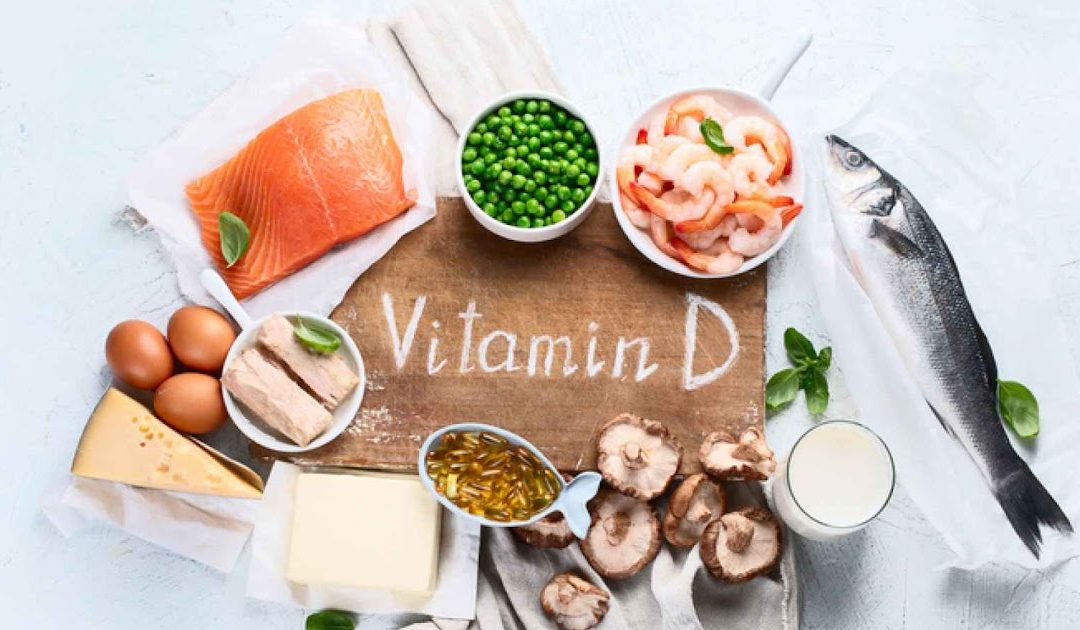
Vitamin D is the only vitamin that our bodies can produce on their own, because it is synthesized in the skin when exposed to the sun. Vitamin D acts as a hormone and affects many different processes that take place in our bodies: it regulates calcium and phosphate metabolism, stimulates bone mineralization, and increases and improves the immune system’s resistance to infections. It is essential for the normal growth and regeneration of bones and teeth and for the functioning of the immune system.
What is the role of vitamin D in our body?
- Maintains optimal levels of phosphorus and calcium.
- Enables the functioning of the skeletal muscles.
- Maintains the optimal functioning of the immune system.
- Improves the functioning of the heart.
Sources of vitamin D
- Vitamin D can be synthesized in the skin, but for this to happen, our body needs a certain amount of daylight, i.e. UVB rays. Exposure to the sun for more than 15 minutes during the day is usually enough for the body to produce the required daily dose of vitamin D. During late autumn and winter, UVB rays are usually not strong enough to allow the body to meet its daily needs with vitamin D in this way.
- Small part of the vitamin can be consumed through food, usually around 10%. Foods that contain the highest amounts of vitamin D are mushrooms, eggs and fish. Dairy products like cheese, butter, milk, etc. contain less vitamin D.

Vitamin D deficiency
The lack of vitamin D, i.e. hypovitaminosis, can lead to disruption of the function of a number of organs and processes that take place in our bodies. How can you recognize vitamin D deficiency?
- Muscle and bone pain
- You often have feelings of sadness
Mood changes can be associated with a lack of vitamin D in the body. Serotonin, the hormone responsible for mood, is stimulated by the amount of vitamin D.
Lack of vitamin D can cause chronic fatigue.
Vitamin D helps our digestive system absorb fats properly. Its deficiency can lead to several intestinal problems such as: gluten intolerance, inflammatory bowel disease and Crohn’s disease.
If you notice some or all of the symptoms listed above and suspect vitamin D hypovitaminosis, consult your family doctor who will help you choose vitamin D supplements most suitable for you and your lifestyle in appropriate recommended doses.
Aleksandra Georgieva, MD

16-03-2023 | Vitamins and Supplements
Vitamin C, also known as L-ascorbic acid, is a water-soluble vitamin that is naturally present in some foods, added to others, and available as a dietary supplement. Humans, unlike most animals, are unable to synthesize vitamin C endogenously, so it is an essential dietary component.
Sources of Vitamin C
Fruits and vegetables are the best sources of vitamin C. Citrus fruits, tomatoes and tomato juice, and potatoes are major contributors of vitamin C. Other good food sources include red and green peppers, kiwifruit, broccoli, strawberries, brussels sprouts etc. The content of vitamin C in food may be reduced by prolonged storage and by cooking because ascorbic acid is water soluble and is destroyed by heat. Fortunately, many of the best food sources of vitamin C, such as fruits and vegetables, are usually consumed raw. Consuming five varied servings of fruits and vegetables a day can provide more than 200 mg of vitamin C.
The body needs vitamin C for various functions. Here are some of them:
- It helps the body produce collagen, L-carnitine, and some neurotransmitters.
- As an antioxidant, it helps remove unwanted substances known as reactive oxidative species (ROS) from the body.
- It helps the body absorb iron.
- It boosts the immune system.
- It enhances wound healing.
ROS are substances such as free radicals that result from natural bodily processes, exposure to pollution, and other factors. They can lead to oxidative stress, which can, in turn, cause cell damage.
Vitamin C’s antioxidant activity may help reduce inflammation and lower the risk of developing various conditions, including some types of cancer.
Signs and Symptoms of Vitamin C Deficiency
Low levels of vitamin C in the body can lead to scurvy. Symptoms of scurvy include swollen joints, bleeding gums and loose teeth, anemia, tiredness, easy bruising and rough, bumpy skin. It’s important that scurvy is treated. Scurvy is easily treated by adding some vitamin C to your diet through fresh fruit and vegetables. A GP may also recommend taking vitamin C supplements (also called ascorbic acid) until you feel better. Most people treated for scurvy feel better within 48 hours and make a full recovery within 2 weeks.
Aleksandra Georgieva, MD
16-03-2023 | Vitamins and Supplements
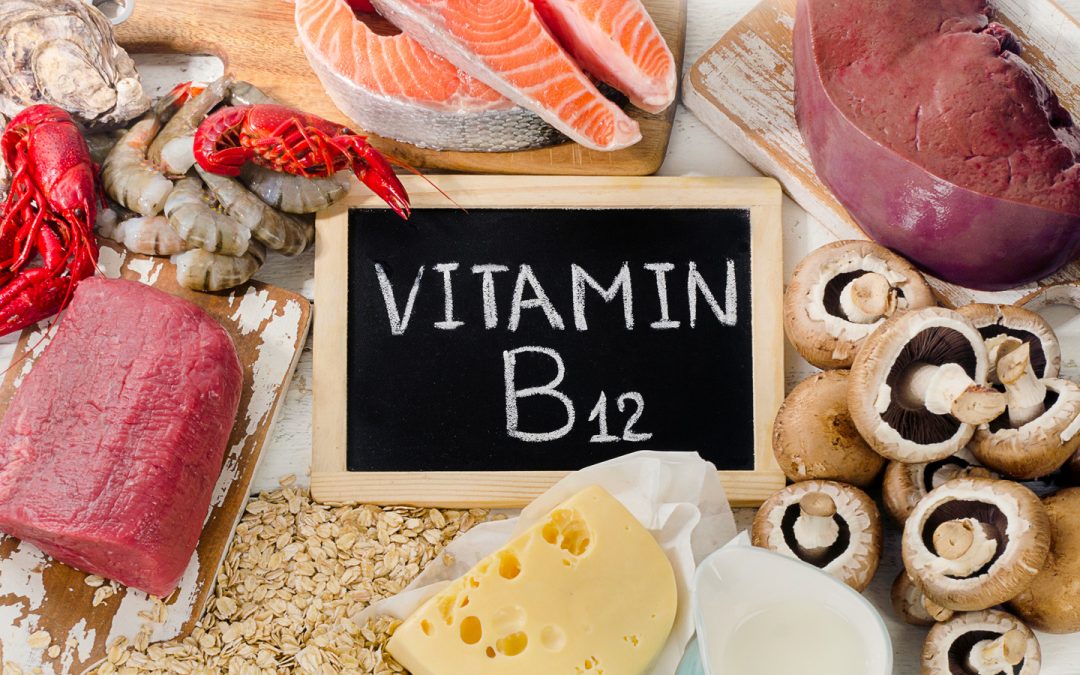
Vitamin B12 is an important source of energy for humans. Vitamin B12 protects the body from tumors, especially those forms that result from smoking. Vitamin B12 also protects the body from various toxins and allergens. It participates in the construction of creatine, adrenaline, nitrogen bases, nucleic acids, proteins and other biologically active substances. With the help of protein ingredients of stomach juice, vitamin B12 is absorbed by the small intestine in the blood.
Vitamin B12-rich foods
Vitamin B12 is not synthesized by plants or animals. Vitamin B12 is synthesized only by some bacteria. For humans, the main source of vitamin B12 are products of animal origin: liver, kidneys, heart, muscle, beef and pork. Vitamin B12 is accumulated in these parts of the body, which is produced by bacteria. Another good source of vitamin B12 are fish and eggs.
Recommended daily intake
If there are no medical problems that require the introduction of large amounts of vitamin B12 (in which case, the use of this vitamin has to be under medical supervision), a dose of 5–50 micrograms per day is recommended in adults.
Vitamin B12 deficiency
Vitamin B12 deficiency in the body is known to cause nerve disorders. Due to a lack of this vitamin, megaloblastic anemia may occur. It is caused by a secondary deficit of reduced folates. There is evidence that large parts of the population can suffer from vitamin B12 deficiency, even in the absence of visible signs (such as anemia).
Aleksandra Georgieva, MD