VITALIA
Below are videos of several recipes:

Below are videos of several recipes:
Eating healthy is important for young people as it can help them maintain a healthy weight, improve their energy levels, and support their overall well-being. However, many young people find meal planning and preparation to be time-consuming and unappealing. This article will provide some simple and easy healthy meal plans that are suitable for young people and do not require a lot of time to prepare.
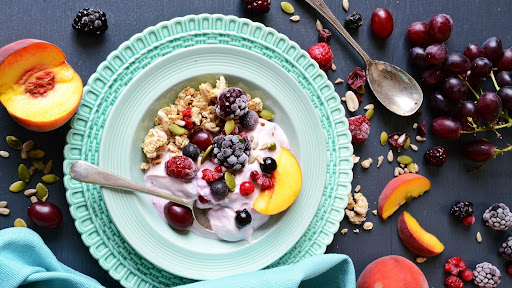
Breakfast Smoothie Bowl
Smoothie bowls are a great option for a quick and healthy breakfast. They are easy to make and can be customized to suit your tastes and dietary needs. For example, you can make a smoothie bowl with frozen berries, banana, yogurt, and honey for a delicious and nutritious breakfast. To make it more filling, you can add some granola, nuts, or seeds on top.
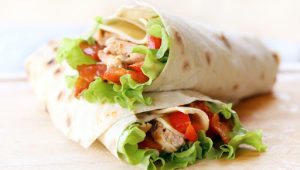
Veggie Wrap
Wraps are a great option for a quick and healthy lunch or dinner. They are easy to make and can be filled with a variety of vegetables, such as lettuce, tomatoes, cucumbers, and bell peppers. You can also add some protein, such as chicken or turkey, to make the wrap more filling. For a vegan option, you can use hummus or avocado as a spread.
Baked Sweet Potato
Baked sweet potatoes are a great option for a healthy and satisfying dinner. They are easy to make and can be topped with a variety of ingredients, such as black beans, shredded cheese, and avocado. To make it even more delicious, you can add some salsa or sour cream on top.
Pasta Salad
Pasta salad is a great option for a quick and healthy lunch or dinner. It’s easy to make and can be customized to suit your tastes. You can use whole wheat pasta, and add some veggies like bell peppers, tomatoes, cucumbers, and broccoli. You can also add some protein such as chicken, tuna or beans.
These are just a few examples of healthy meal plans that are suitable for young people and do not require a lot of time to prepare. Remember, eating healthy doesn’t have to be boring or bland, you can always experiment with new recipes and ingredients to find the meals that you enjoy.
Ile Kuzmanoski, MD
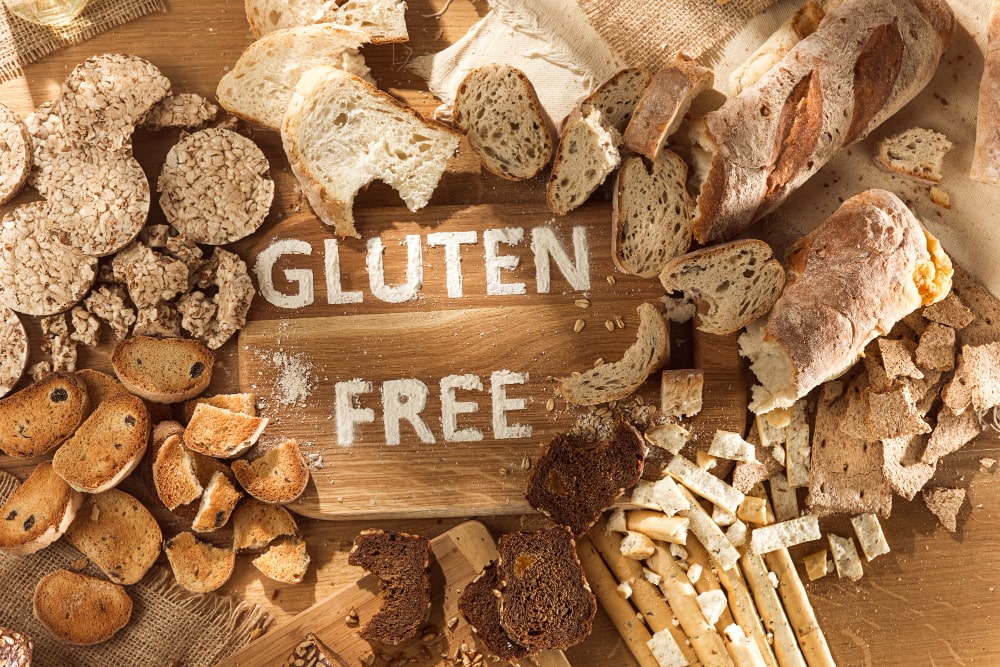
Gluten intolerance is when you get sick after eating gluten. You might feel bloated, gassy, nauseous or tired Gluten is a protein found in wheat, barley, rye and other grains. It’s in a lot of common foods and drinks, including pasta, cereal and beer. Gluten can also be in things like vitamins, cosmetics and even certain medications
Gluten intolerance and celiac disease are different.. People with celiac disease have an autoimmune response to gluten. This means their bodies try to fight against gluten as if it were a virus. This reaction causes inflammation and damage to their digestive tracts. Celiac disease is the result of an abnormal gene.
Gluten sensitivity and celiac disease cause a lot of the same symptoms. But people with gluten sensitivity don’t have an abnormal gene or antibodies in their blood. Some people are born with a gluten intolerance; others develop it later in life.
An intolerance and a food allergy aren’t the same. A food allergy, such as a wheat allergy, is when your immune system overreacts after you eat a certain food. An allergy might cause itching, vomiting or shortness of breath. Gluten intolerance isn’t an allergy to gluten.
People with gluten intolerance may experience the following symptoms for several hours or days after they consume gluten:
How is gluten intolerance diagnosed?
Your healthcare provider carefully reviews your symptoms and medical history. If they suspect you have a gluten intolerance, these are the next steps to confirm the diagnosis:
There’s no cure for gluten intolerance. But most people find relief from symptoms by following a gluten-free diet. It can be managed by:
Simona Sapundzija, MD

All the oils are thermically changed when treated with heat. The temperature on which the oils disintegrate is known as melting point. When the melting point is lower, the oil is more harmful. When something is fried or cook on a temperature of around 180 degrees Celsius, its molecular structure starts changing and the process of oxidation starts which leads to forming degrading products such as aldehydes and lipid peroxidase.

The consumption and inhalation of these products, even in small quantities increases the risk of cancer and heart disease. Whenever you can choose between poly-unsaturated and animal fats to cook, always pick animal fats. Choose oils that are rich in monosaturated and unsaturated fats that are stable on high temperatures like fat, butter, olive oil, and oils made from grape seeds or coconut oil. Sunflower seed oil and corn oil, also rich in poly-unsaturated fats produce higher levels of aldehydes and have a low melting point.
The advice would be to reduce the frying, especially using explicitly increased temperatures. If you must fry your food, at least reduce the quantity of oil. After frying the food, try to reduce the level of oil as much as possibly by straining it on paper. The forming of aldehydes can be reduced by using oils rich in monosaturated or saturated fatty acids, that are also low on poly-unsaturated fatty acids.
Our center “SRCE” we have a professional team of specialist physicians and nutrition specialists that you can use to ask for advice regarding nutrition including an individual nutrition plan.
SRCE – Center for Internal Diseases

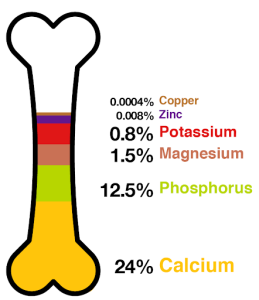
Phosphorus is an element that can be found in all living organisms, mostly as organically bound phosphates, which makes it an essential macroelement. Phosphorus is in the structure of DNA and RNA, it is also a constituent of compounds with high energy adenosine triphsphate (ATP) and creatine phosphate (CP) and phospholipids which are the structural components of all cellular membranes. 85 – 90 % of total phosphorus is found in bone and teeth in the form of hydroxyapatite.
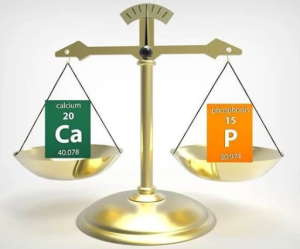
Although phosphorus is indispensable for the normal functioning of cells, the intake of a large amount of phosphorus in the body can cause certain health problems. The disruption of the calcium and phosphorus ratios in the body can lead to certain hormonal disorders, the excess of phosphorus disrupts the absorption of calcium in the intestine, where as a consequence is the release of calcium from the bones and their softening.
As we know, the food is the main source of phosphorus for all living organisms. For humans, the largest source of phosphorus is meat and meat products, where the origin of phosphorus may be natural and added (as a food additive). In processed meat, phosphates are added as a agents for binding water, to obtain a better texture of the product, for the emulsification of fats, to retain the color of the meat, to prevent oxidation of fatty acids and to stabilize the pH value. Due to the increasing use of phosphates in the production of meat and meat products, the intake of phosphorus in the body increases, and hence the risk of some metabolic disorder.
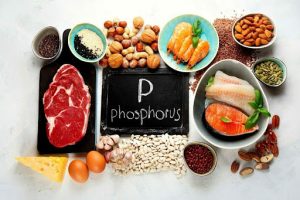
In order to prevent the excessive use of phosphates in the diet, each country has a National Regulation that prescribes the maximum content of phosphorus in food. In our country, Rulebook on additives that can be used for food production prescribes added phosphorus content phosphorus (as P2O5) can be added in meat products up to 5.00 g in 1 kg meat. Unlike the National Regulation in some countries, which allows a total phosphorus content (as P2O5) of up to 8 g in 1 kg of meat, our National Regulation has not yet prescribed the permissible total phosphorus content in meat and meat products.
MSc Emilija Gjorgieva,
Master of Chemical Sciences

Proteins together with carbohydrates and fats present a part that is never left out in a balanced diet. They are one of three basic groups of macronutrients that are necessary for the organism to function normally, i.e. they are necessary for different metabolic processes. They can be found everywhere in the human body- in the muscles, bones, skin, hair, and literally in every cell in the organism. There are 10000 different types of proteins that make you what you are – a whole human organism. Proteins are made from amino acids. The organism can create some of these amino acids by itself and they are called nonessential amino acids, while it must take others through food and this group of amino acids is called essential amino acids.
How many grams of protein should I intake?
Depending on the basic metabolic needs, the minimal amount of protein intake is somewhere around 0.8g protein per kilogram of body weight per day. I.e., if a person weighs 70 kilograms then 50 grams of protein are needed daily. However, the need for protein intake varies depending on the physical activity and the fitness goals that you have. If you want to build muscle mass then you would need to have a higher protein intake. Another piece of important data is what percentage of the total caloric intake should come from proteins. The recommended percentage is 10-35%. What does that mean? For a person who has a daily intake of 2000 calories, 200-700 of them should be from proteins, which equals to 50-175 grams per protein per day.
How much protein does food contain?
We often ask ourselves which foods contain a high level of proteins or rather how should we take them. This depends on personal preference and way of nutrition. The biggest amount of protein is found in foods of animal origin like meat, fish, eggs, milk and dairy. On the other hand, plant-based proteins can be found in beans, lentils, chickpeas, tofu cheese, nuts and soy. The people who practice vegetarianism or have a vegan diet get their protein from plant products. Different types of foods contain a different amount of protein per 100 grams. As an example, we will show you some of the most commonly used foods.
Examples of foods with the amount of protein they contain
| Protein from animal products | Amount of proteins(g) per 100g | |
| Meat | Chicken Pork Beef |
32.0 31.6 31.0 |
| Fish | Canned tuna Salmon |
24.9 24.6 |
| Eggs | Chicken eggs (boiled) | 14.1 |
| Dairy products | Milk Cottage cheese Greek yogurt |
3.4 9.4 5.7 |
| Plant-based protein | Amount of protein (g) per 100g | |
| Lentil | Red lentils (boiled) Chickpeas (in a can) |
7.6 7.2 |
| Legumes | Tofu Beans (in a can) |
8.1 6.9 |
| Cereals | Rice Bread (Whole-grain) Bread (white) |
10.9 7.9 7.9 4.8 |
| Nuts | Almonds Walnuts Hazelnuts |
21.1 14.7 14.1 |
Ile Kuzmnoski, MD