
Are you one of those who get sick often? Are you worried that colds and other infectious diseases of the upper respiratory tract last forever and bother you more than they should? It is true that our immunity weakens over the years, which is why older people do not respond to vaccines as well as young people, thus, viral infections can be fatal for them. But regardless of age, boosting your immunity is in your power. Even a small deficiency of key micronutrients, such as zinc, selenium and iron, can weaken the body’s ability to defend itself against disease and infection. It is enough to fill your plate with colorful plant foods, season your meals with more garlic and reduce the intake of fats and sweet foods that work against you.
What to eat?
Protein-rich foods that make up many key cells of the immune system, such as antibodies and white blood cells that find and destroy microbes and carcinogenic cells. Protein foods contain a lot of zinc, iron and B-complex vitamins, which are important for boosting immunity. The typical Western diet is not devoid of protein, but older people and vegetarians must make an effort to get enough of it. If you eat meat, avoid fatty burgers and fried meat and eat lean beef and skinless chicken. Saturated fats and fried foods everywhere in the body cause low-intensity inflammation, which over time can deplete the immune system’s resources.
Also, sardines not only contain lean protein but also contain anti-inflammatory essential omega 3 fatty acids, as well as solid amounts of zinc and selenium.
Pumpkin seeds – about 125 g of pumpkin seeds contain 6 mg of zinc, one of the most important nutrients for the immune system. Research has shown that people deficient in zinc recover more slowly from infectious diseases.
(the recommended daily amount of zinc is 14 mg for men and about 8 mg for women, but if you get sick often, you should take 25 mg daily). Dark turkey meat and beef are also good sources of zinc, and six oysters have as much as 40 mg of zinc.
Brazil nut – this nut is the best natural source of the antioxidant mineral selenium, which boosts immunity. When we don’t have enough selenium, our white blood cells are slower to kill germs and cancer cells. Each Brazil nut contains 75-100 μg of selenium, so it is enough to eat 1-2 a day, because the daily recommended amount of selenium is relatively small. Selenium is also found in salmon, crabs and shrimps.
Garlic is a friend of the immune system, especially when eaten fresh. It is an edible antibiotic with a strong antibacterial and antiviral effect. Its sulfur compounds contain surprisingly many antioxidants. Chop or crush the garlic and let it sit for 10-15 minutes to fully release its healing compounds.
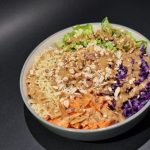
Colorful fruits and vegetables – fruits and vegetables with bright colors are a rich source of antioxidant substances that our body needs in large quantities when we are sick or under stress. Stress and illness encourage the creation of molecules known as free radicals that damage cells. These molecules can damage the thymus, in which many immune system cells are created.
What is true for the thymus is also true for the entire immune system. When the thymus is damaged, we become more susceptible to infectious diseases, which leads to the creation of more free radicals. Antioxidants help us break this cycle. Increased consumption of fruits and vegetables is an easy way to provide our body with a sufficient amount of antioxidants in a natural way. But don’t limit yourself to apples and oranges because the flavonoids in grapes and the carotenoids in carrots and sweet potatoes are some of the most powerful antioxidants, and berries are the fruits with the most antioxidants of all fruits. A minimum of 5 servings of fruits and vegetables is recommended during the day.
BioCosmos