
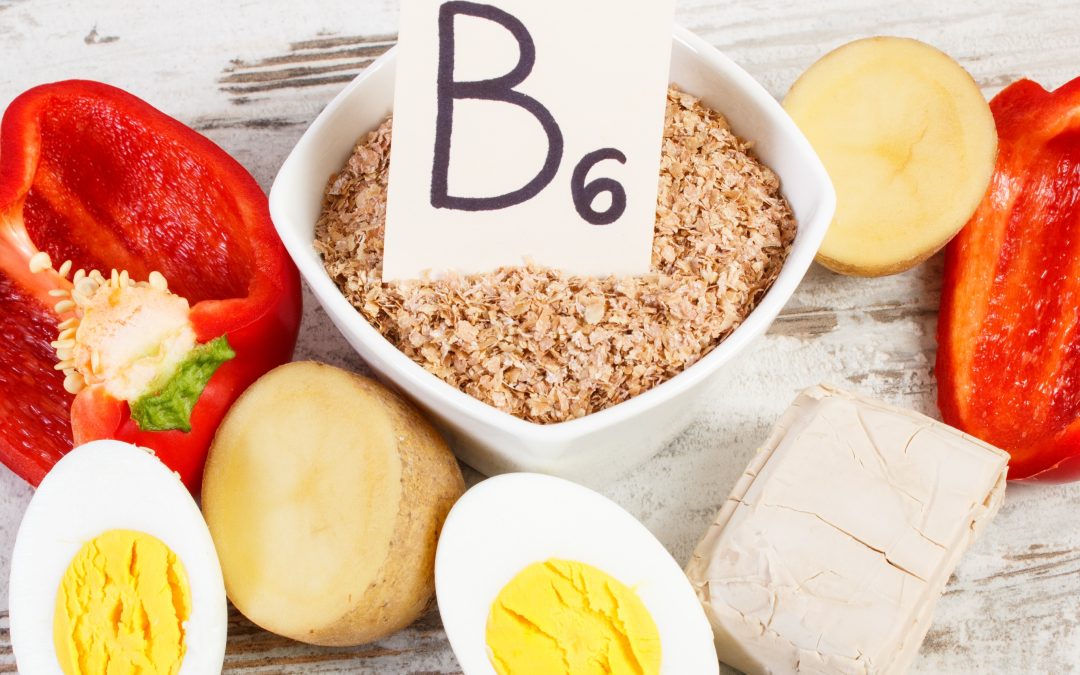
Vitamin B6 (also known as pyridoxine) is a water-soluble vitamin. This means that our body cannot store it for a long time and it needs to be constantly ingested, mainly through diet.
Foods rich in vitamin B6
Vitamin B6 is found in seeds, grains, wheat and cornmeal, brewer’s yeast, liver, kidneys, meat, and to some extent in milk, eggs, and green leafy vegetables. Microorganisms in human intestines synthesize 0.5-0.7 milligrams of vitamin B6 per day. Large amounts of vitamin B6 are found in the liver, less in the muscles, kidneys, brain and other tissues. Storing food in tin cans, roasting or boiling meat and alcohol can destroy this vitamin.
Daily intake of vitamin B6
The daily requirement of vitamin B6 for an adult is 1-2 mg, greater amounts can cause toxic nerve damage. Medicinal doses of vitamins, which can range up to 400 milligrams per day, are used in the treatment of isoniazid-induced neuropathy, anemia, and PMS. However, they must be applied strictly in consultation with a doctor.

Symptoms of vitamin B6 deficiency
Lack of vitamin B6 can cause anemia, nervous system disorders and various skin problems. This vitamin is especially important for women during pregnancy, and also acts as a premenstrual discomfort reliever. However, most important of all is the role of vitamin B6 in the immune system. Vitamin B6 deficiency causes changes in the function of the nervous system.
Aleksandra Georgieva, MD